Introduction of Bio-organic Fertilizer Production Line
The bio-organic fertilizer production line is commonly used to process different fermented organic substance into bio-organic fertilizer. It adopts one-step molding technology. Animal manure and agricultural waste are recycled as the main raw materials, thus manure or dung waste is not only creating economic benefits for the enterprise, but also making a great contribution to environmental projects for mankind.
The raw material of bio-organic fertilizer:
1. Agricultural waste: straw, rice bran, etc.
2. Animal waste: chicken manure, pig, cattle and sheep manure, etc.
3. Industrial waste: vinasse, sugar residue, etc.
4. Household waste: kitchen waste, vegetable market and slaughterhouse waste, etc.
5. Municipal sludge: river silt, sewage sludge, etc.
After safety disposal and fermentation, these materials are made into organic fertilizer. Thus, organic fertilizer containing a variety of organic acids, peptides, and rich nutrients including nitrogen, phosphorus and potassium. Not only provide comprehensive nutrition for crops, also with long fertilizer effect, which can Increase and update the soil organic matter and promote microbial breeding, improve soil physical and chemical properties and biological activity.

20.7.16


Organic Fertilizer Granulation Machine
Organic Fertilizer Granulation Machine is used in organic fertilizer production.
Organic fertilizer granulator is widely applied to various city waste,
like organic manure, fertilizer compost, green fertilizer, cake
fertilizer, peat fertilizer,
New Type Organic Fertilizer Granulator is manufactured by the latest technology in the field of organic fertilizer production. It is used to granulate all kinds of organic raw materials after raw materials full fermented by compost windrow turner. Different from the traditional ways of making
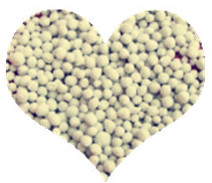 organic
fertilizer, raw materials don’t need to be dried or crushed, which
makes the whole producing process more efficient and energy-saving. The
final organic fertilizer granules are spherical and highly qualified,
which makes the one-time production of uniformly spherical fertilizer
granules come true. Its production rate can reach as high as 1-2t/h,so
it is considered as the most effective and eco-friendly way of organic
fertilizer production at present.
organic
fertilizer, raw materials don’t need to be dried or crushed, which
makes the whole producing process more efficient and energy-saving. The
final organic fertilizer granules are spherical and highly qualified,
which makes the one-time production of uniformly spherical fertilizer
granules come true. Its production rate can reach as high as 1-2t/h,so
it is considered as the most effective and eco-friendly way of organic
fertilizer production at present.
New Organic Fertilizer Granulation Machine is one of organic fertilizer equipment. It is the latest product of institute of agricultural machinery with years of experience in organic fertilizer processing equipment design and development, and has won the national utility model patent. It is used for granulation of fermented organic matter to break through conventional granulation processing. Before being granulated, there is no need to dry the raw materials, raw materials and ingredients which can be processed directly into spherical particle. This can save large amounts of energy. Granulation rate and organic content is up to 100%. Organic particles can be characteristic of being able to inlay each other while growing up and granulated without bonding agent. Particle is screened strictly, which saves drying energy. The content of raw materials and water is 20%-40%.
See more articles at:
1. Organic Fertilizer Production Line
2. Compound Fertilizer Production Line
New Type Organic Fertilizer Granulator is manufactured by the latest technology in the field of organic fertilizer production. It is used to granulate all kinds of organic raw materials after raw materials full fermented by compost windrow turner. Different from the traditional ways of making
New Organic Fertilizer Granulation Machine is one of organic fertilizer equipment. It is the latest product of institute of agricultural machinery with years of experience in organic fertilizer processing equipment design and development, and has won the national utility model patent. It is used for granulation of fermented organic matter to break through conventional granulation processing. Before being granulated, there is no need to dry the raw materials, raw materials and ingredients which can be processed directly into spherical particle. This can save large amounts of energy. Granulation rate and organic content is up to 100%. Organic particles can be characteristic of being able to inlay each other while growing up and granulated without bonding agent. Particle is screened strictly, which saves drying energy. The content of raw materials and water is 20%-40%.
See more articles at:
1. Organic Fertilizer Production Line
2. Compound Fertilizer Production Line
26.5.16
Municiple Solid Waste Processing Procedures
 |
| commercial compost turner machine |
All living
beings on the earth from human beings to animals to microbes are made up
of 5 basic elements i. e earth , sun water, air and ether which is
called "Panch Tatvas". Nine of the Gods has created any thing worth
calling waste. It is man's ignorance and lack of concern, which leads to
discard, throw and dump such materials. with the increased pressure
on life and paucity of life and paucity of time coupled with rapid
urbanization, the quantity of discarded materials referred to as wastes
is increasing in geometrical proportions worldwide
|
||||||||||||||||||||||
Management of
such discarded wastes is now a challenging tasks in all the urban and
semi urban areas specially the task of prompt collection- transportation
and disposal. Several other items such as metals, paper products, wood
plastic are getting lost in the garbage dumps thereby putting fresh
demand on non renewable energy sources. The hollstic approach calls for
integration of technologies for processing treatment to
recover various usable products such as compost, fuel pellets, plastic granules, metals to the maximum extent so as minimize burden on the land filling, And also to conserve the natural resources, |
||||||||||||||||||||||
1) COMPOSTING
|
||||||||||||||||||||||
|
Composting is
most essential component of Solid Waste processing. The short-term
biodegradable waste mainly pre-cocking and post eating residues of food
waste, left over of fruits, vegetables and other eatables which has high
moisture content and low calorific value is also a major cause of
environmental problems starting from mal-odors of breeding of disease
pathogens, files, etc. This component of MSW requires prompt
sanitization and biostabilsation followed by recovery of compost for
nutrient recycling in agriculture. we recommend Compost Turner Machines for MSW composting, because they are large output and extremely efficient.
|
||||||||||||||||||||||
2) SANITISATION
|
||||||||||||||||||||||
|
Due to hot
weather condition and richness of biosolid in terms of mineral nutrition
protein and carbohydrate energy, these wastes are quickly invaded by
pathogenic microorganisms and become the source of foul smell and spreading of diseases.These wastes are also great source for
multiplication of flies, which becomes the carries for pathogenic
bacteria. Therefore under the tropical and sub - tropical conditions all
the bisosolid waste must be given a sanitization treatment with natural
herbal extracts and bio-enzymes and not to resort to use of chemical
disinfectants, as these chemicals often interfere with natural bio-conversion process besides leaving toxic residues.
|
||||||||||||||||||||||
|
||||||||||||||||||||||
At R. D. F. area
it will be spread the thinly where the innerts etc. will be manually
picked up by the Labors Like wise, it is proposed to have one set of
pre- segregation trommel.
|
||||||||||||||||||||||
Which operate
simultaneously with the help of seven trolleys. The innerts like
plastics, rubber metal glasses, and fabrics will be stored separately
near R.D.F. area for R. D.F manufacture or direct sales.
|
||||||||||||||||||||||
|
||||||||||||||||||||||
7) Turning of Windrows
|
||||||||||||||||||||||
The windrows are turned / disturbed / loosened at the end of every seventh day.
|
||||||||||||||||||||||
|
||||||||||||||||||||||
11) Prevention of Pollution
|
||||||||||||||||||||||
The MSW
generally pollutes the environment by way of foul smell, leach ate
generation, spread of diseases, contamination of soil, underground &
surface water bodies. flies. birds. pigs. dogs menace etc. The
pollution hazards likely to be caused will be controlled on the compost
pad where aeration is provided under appropriate moisture level so that
the degrading micro organism multiplies immensely and attacks the
organic matter during which time the temperature increase in side.the
garbage mass killing the harmful pathogens. The temperature increase
thus sanities the waste mass and subsequently encourages breaking down
process leading to stabilization of organic matter called humus. The
temperature also kills weed seeds, insects eggs. Like the turning of
windrows three to four times over a period of thirty days will continue
under controlled conditions. Adequate oxygen throughout the mass
normally ensure by turning.
|
||||||||||||||||||||||
12) Organic Manure
|
||||||||||||||||||||||
The sanitized
and stabilized organic matter when attains the status of humus it will
be fine powder, black in color and gives earthy aroma. The manure will
not have heavy metals and a hazardous material have NKP micro organism.
micro nutrients which will not be present in the inorganic
fertilizer. |
||||||||||||||||||||||
13) Leacheat Generation Run Off
|
||||||||||||||||||||||
The leach ate
generated during the course of degradation will be led through the leach
ate drains in to a leach ate tank. This will be precisely recycled
since it acts as conserving moisture. nutrient, micro organisms.
|
||||||||||||||||||||||
14) Laminated Plastic Sheets
|
||||||||||||||||||||||
The Plastic sheets used to protect the waste becoming wet during rainy season since activity will be going on in an open area.
|
||||||||||||||||||||||
15) Monsoon Shed
|
||||||||||||||||||||||
30 days degraded
organic matter will be shifted to the covered area so that the
processing could continue with out hindrance even during the monsoon
days.
|
||||||||||||||||||||||
16) Processing of the degraded organic matter
|
||||||||||||||||||||||
The Compost plant consists of one set of rotary screen of 35 mm 14mm and 6mm
|
||||||||||||||||||||||
17) 35mm Screen
|
||||||||||||||||||||||
|
The under pass of 35mm is passed directly to the next screen
|
||||||||||||||||||||||
18) 14mm Screen
|
||||||||||||||||||||||
The under pass of 35mm is screened in 14 mm screen
|
||||||||||||||||||||||
19) Rejects
|
||||||||||||||||||||||
The rejects of
35 and 14mm which may contain non degradable and plastic bits will be
made use of for RDF to the extent of its suitability and
the balance goes to land fill as cover material. |
||||||||||||||||||||||
|
||||||||||||||||||||||
|
||||||||||||||||||||||
|
||||||||||||||||||||||
|
||||||||||||||||||||||
|
||||||||||||||||||||||
|
||||||||||||||||||||||
|
||||||||||||||||||||||
|
||||||||||||||||||||||


订阅:
博文 (Atom)